Creating Excitement, Urgency and Stronger Brand Connections
Walk through any supermarket, liquor store or retail outlet and you’ll quickly notice certain products that stand out from the rest. Whether it’s a FIFA World Cup beer label, a Springbok Rugby energy drink, a breast cancer awareness campaign, or a collector’s edition wine bottle, limited edition packaging has a way of capturing attention and driving consumer action.
The reason is simple: people are naturally drawn to products that feel unique, exclusive, and available for a short time only.
For brands looking to increase visibility, generate excitement, and encourage purchases, limited edition print and packaging can be a highly effective marketing tool.
In this article, we’ll explore how limited edition packaging works, when to use it, the benefits and potential challenges, and how to create a successful campaign that delivers results.
What is Limited Edition Packaging?
Limited edition packaging refers to labels, sleeves, cartons, shrink wraps, or product packaging that is produced for a specific event, season, promotion, or campaign for a limited period.
Unlike permanent packaging designs, limited editions are created to generate interest and encourage customers to act before the opportunity disappears.
Examples include:
- FIFA World Cup themed beverage labels
- Springbok Rugby energy drink
- Christmas and holiday packaging
- Heritage Month or national celebration days
- Breast Cancer Awareness products
- Product Launch Editions
- Collaboration with influencers or brands
- Seasonal flavours and product variations
- Collector's edition releases
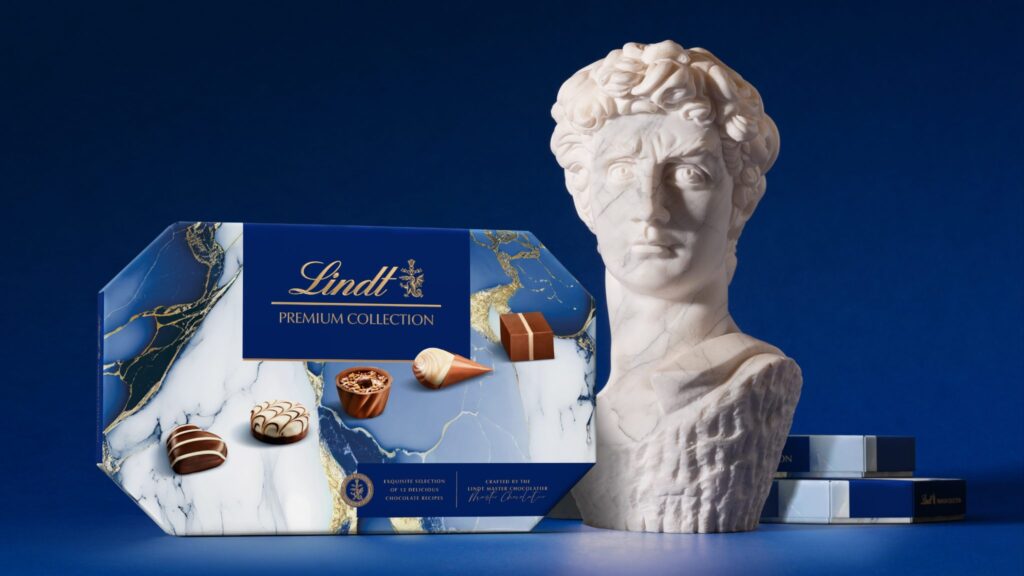
The goal is not simply to change the appearance of a product. It is to create a sense of urgency and exclusivity.
Why Limited Edition Packaging Works
Consumer psychology plays a significant role in purchasing decisions.
When customers believe a product may not be available forever, its perceived value often increases.
This is known as the “scarcity effect.”
Limited edition packaging creates:
Increased Shelf Impact
A familiar product with a fresh design immediately attracts attention. Existing customers notice the change, while new customers become curious.
Higher Perceived Value
Consumers often associate limited edition products with exclusivity, making them feel more premium.
Increased Social Sharing
Unique packaging is more likely to be photographed and shared on social media, extending the reach of a campaign.
Stronger Emotional Connections
Packaging linked to major events, causes, or celebrations creates emotional engagement with consumers.
Faster Purchase Decisions
The fear of missing out (FOMO) often encourages customers to purchase sooner rather than later.
When Should Brands Consider Limited Edition Packaging?
Not every product requires a limited edition campaign, but there are certain situations where it can be particularly effective.
Major Sporting Events
Sporting events create excitement and national pride.
Examples include:
- FIFA World Cup
- Rugby World Cup
- Olympic Games
- Local sporting tournaments
Beverage brands often use these opportunities to create highly collectible packaging.
Seasonal Campaigns
Seasonal promotions remain one of the most effective uses of limited edition packaging.
Examples include:
- Christmas
- Easter
- Valentine’s Day
- Mother’s Day
- Father’s Day
Product Launches
A limited edition launch can generate buzz and encourage early adoption of a new product.
Cause Marketing Campaigns
Supporting awareness initiatives such as:
- Breast Cancer Awareness Month
- Environmental campaigns
- Community initiatives
can strengthen brand trust and demonstrate corporate responsibility.
Company Milestones
Celebrating:
- Business anniversaries
- Major achievements
- Awards
- Expansion milestones
can help reinforce brand credibility.
Brands that do Limited Packaging Well
Some of the world’s most successful brands have built entire marketing campaigns around limited edition packaging.
Coca-Cola
Coca-Cola’s Share a Coke campaign remains one of the best-known examples of limited-edition packaging used to create personal connection and mass consumer engagement. By replacing its logo with popular names, the brand transformed an everyday soft drink into a personalised, shareable product that people actively searched for, gifted and posted online. It’s a powerful example of how limited-edition packaging can drive emotional engagement, increase repeat purchases and turn packaging itself into the centre of the campaign.

Castle Lager
Castle Lager’s FIFA World Cup limited-edition cans are a strong South African example of packaging used as both a branding and promotional tool. By featuring collectible player-themed can designs and tying the campaign to a major sporting event, the brand created excitement, urgency and repeat purchase potential. It’s an excellent example of how limited-edition packaging can tap into national pride, fan culture and promotional mechanics to drive engagement beyond the shelf.

Oreo
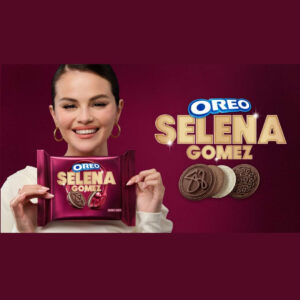
Oreo has become known for using limited-edition packaging and product collaborations to keep the brand fresh, culturally relevant and highly shareable. Whether tied to entertainment, celebrities or seasonal campaigns, these special releases create excitement by offering something consumers don’t normally see on shelf. This Selena Gomez collaboration is a good example of how limited-edition packaging can tap into fandom, social buzz and pop culture to generate attention and drive impulse purchases.
Heineken
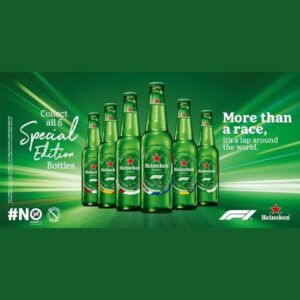
Heineken regularly uses limited-edition packaging to connect its brand to major global sporting events, such as Formula 1 and football sponsorships. In this example, the brand created a collectible series of special-edition bottles, encouraging customers to collect the full set while reinforcing its association with international sport and entertainment. It’s an effective use of event-driven packaging that combines collectability, brand visibility and promotional relevance in a highly competitive beverage market.
Starbucks
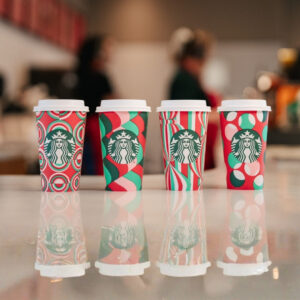
Starbucks has turned its seasonal holiday cups into an annual brand moment, proving how effective limited-edition packaging can be when it builds anticipation and becomes part of the customer experience. Rather than simply changing cup artwork, Starbucks uses festive designs to signal the arrival of the holiday season and create a sense of excitement around the brand. It’s a strong example of how packaging can support seasonal marketing, strengthen brand recognition and encourage social sharing.
M&M’s
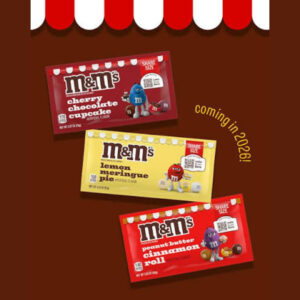
M&M’s uses limited-edition packaging to introduce new flavours, seasonal variants and campaign-led product ranges that keep the brand playful and engaging. In this example, the brand pairs bold pack designs with unusual flavour launches, creating curiosity and giving customers a reason to try something new before it disappears. It’s a strong example of how limited-edition packaging can support product innovation, encourage trial purchases and keep a well-established brand feeling fresh.
The common factor across all of these brands is that they create excitement around something consumers already know and trust.
The Benefits of Limited Edition Branding
Increased Sales Opportunities
A fresh design can encourage repeat customers to purchase again.
Greater Brand Visibility
Distinctive packaging naturally stands out in competitive retail environments.
Marketing Content Opportunities
Limited edition packaging creates fresh content for:
- Social media
- Email marketing
- In-store promotions
- Digital advertising
Enhanced Customer Engagement
Consumers enjoy being part of something exclusive.
Product Differentiation
A limited edition release can help a product stand out from competitors without changing the product itself.
Potential Challenges to Consider
While limited edition packaging can be highly effective, it does require careful planning.
Inventory Management
Producing too much stock may leave excess inventory after the campaign ends.
Timing
Launching too early or too late can reduce campaign effectiveness.
Artwork Approval Deadlines
Campaigns tied to specific dates require sufficient lead time for design, approvals, printing, and distribution.
Brand Consistency
Limited edition designs should remain recognisable and aligned with your core brand identity.
The best campaigns create excitement without confusing consumers.
Building a Successful Limited Edition Packaging Strategy
Before starting your next campaign, consider the following framework:
Step 1: Define the Objective
Ask:
- Increase sales?
- Drive awareness?
- Launch a new product?
- Support an event?
Generate social engagement?
A clear goal guides the entire campaign.
Step 2: Understand Your Audience
Consider what resonates with your customers.
Not every trend or event will be relevant to your target market.
Step 3: Create a Distinctive Design
The design should feel fresh and exciting while maintaining brand recognition.
Step 4: Plan Production Early
Allow sufficient time for:
- Design development
- Artwork approval
- Material selection
- Printing
- Distribution
Step 5: Support the Launch
Limited edition packaging performs best when supported by:
- Social media campaigns
- Email marketing
- Point-of-sale material
- Digital advertising
The packaging becomes part of a larger marketing story.
Final Thoughts
Limited edition packaging is more than just a temporary design change.
When executed strategically, it can create excitement, increase brand visibility, encourage purchases, and strengthen customer loyalty.
Whether you’re celebrating a major sporting event, launching a new product, supporting a cause, or simply looking for a fresh way to engage your audience, limited edition labels and packaging can transform an ordinary product into something consumers genuinely want to own.
The key is thoughtful planning, strong design, and partnering with an experienced print specialist who understands how to bring a campaign to life.
At Rebsons Labels & Packaging, we help brands create high-quality labels and packaging solutions that capture attention, tell a story, and leave a lasting impression.
Contact Rebsons Labels & Packaging to discuss your next label project.
Send an email to: sales@rebsons.co.za