QR code labels allow packaging to do far more without trying to squeeze an entire website onto the back of a bottle.
Product packaging used to have one fairly straightforward job: protect the product and look good on the shelf.
Today, packaging is expected to do considerably more. It must inform customers, build trust, support marketing campaigns, tell a brand story and sometimes even prove that the product is genuine.
That is a lot of responsibility for one little label.
What is a QR Code Label?
A QR code label includes a scannable code that directs customers to digital content using their smartphone camera.
Depending on the brand and product, the QR code may link to:
Examples include:
- Product instructions
- Ingredients and allergen information
- Recipes or serving suggestions
- Promotional competitions
- Videos and tutorials
- Sustainability information
- Product registration pages
- Loyalty programmes
- Reviews and social media pages
- Batch, origin or traceability information
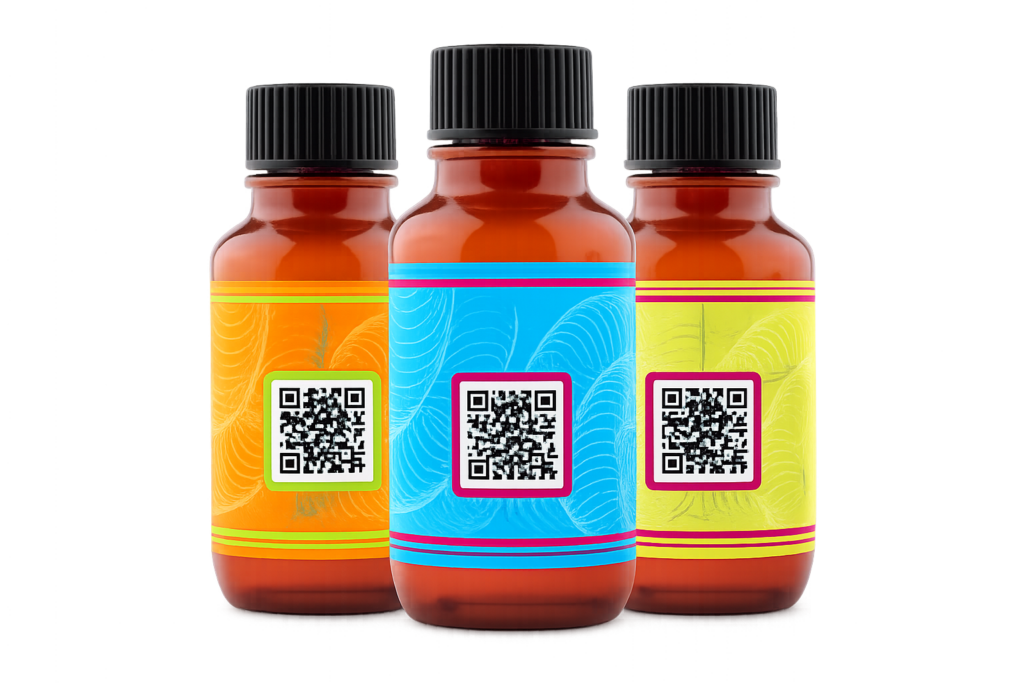
Instead of overloading the packaging with tiny text that requires a magnifying glass and a great deal of determination, brands can place additional information online.
Packaging that Continues the Conversation
Traditional packaging has limited space. Once every legal requirement, ingredient list, warning and barcode has been added, there may not be much room left for engaging brand content.
A QR code creates a bridge between the physical product and the digital world.
A customer can scan the label and move directly from holding a product to watching a demonstration, entering a competition, downloading instructions or learning more about where the product came from.
The packaging is no longer the end of the conversation. It becomes the beginning.
How QR Code Labels Benefit Brands
- They provide more product information
Some industries need to communicate a substantial amount of information.
Food, pharmaceutical, chemical, cosmetic and industrial products may require detailed instructions, safety warnings, ingredient information or technical documentation.
QR code labels can direct customers to this information without making the physical label crowded or difficult to read.
They can also be used alongside peel-and-read labels when both printed and digital information are required.
- They encourage customer interaction
Customers do not usually spend their free time admiring barcodes.
A QR code, however, gives them a reason to engage with the packaging—especially when the label clearly explains what they will receive after scanning it.
A message such as “Scan for a recipe”, “Scan to enter” or “Scan to see how it works” is far more appealing than placing a lonely QR code on the packaging and hoping curiosity takes over.
QR codes can connect customers to competitions, discounts, games, personalised content and exclusive product information.
- They support traceability and transparency
Consumers increasingly want to know where products come from, how they were made and whether environmental claims can be trusted.
A QR code can link to sourcing details, certificates, production information or sustainability initiatives.
For industries where authenticity and traceability are important, individual or batch-specific codes may also help customers and supply-chain partners verify products.
- They make campaigns measurable
Printed packaging can be difficult to measure. You know the product left the shelf, but you may not know which part of the campaign caught the customer’s attention.
Dynamic QR codes can help brands monitor activity such as:
- The number of scans
- When scans took place
- General scanning locations
- Which packaging variation performed best
- Which campaign generated the most engagement
This gives marketing teams useful information for improving future packaging and promotions.
- They keep packaging relevant
With a dynamic QR code, the online destination can sometimes be updated without changing the printed code itself.
The same label could initially link to a launch competition and later direct customers to recipes, instructions or a loyalty programme.
However, brands must manage these links carefully. A QR code should never lead to an expired page, an error message or somewhere the brand no longer controls. That is the digital equivalent of inviting someone to your shop and forgetting to open the door.
Case Study: Coca-Cola’s “Share a Coke”
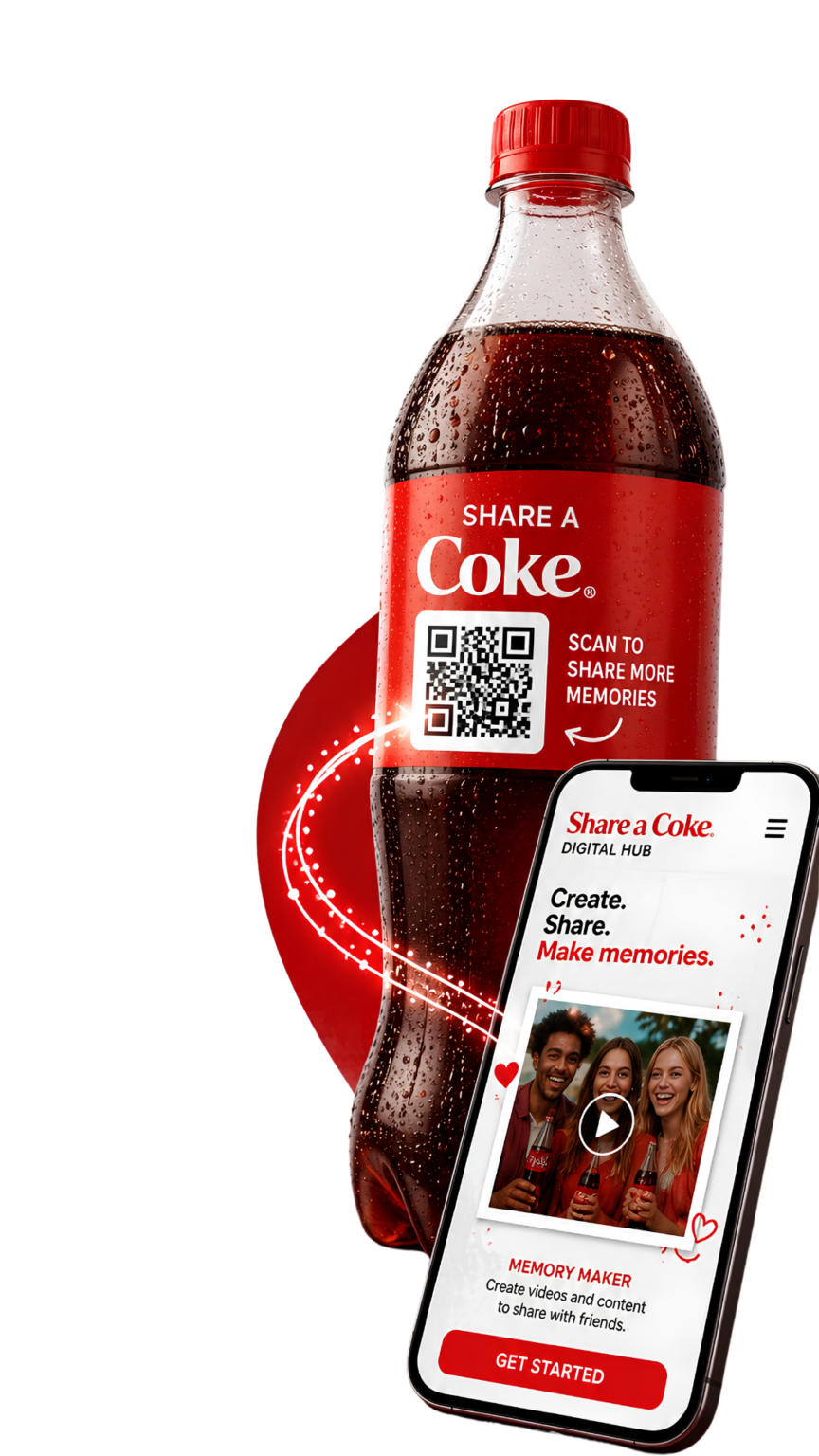
Coca-Cola’s revived Share a Coke campaign demonstrates how QR code labels can extend a familiar packaging campaign into a digital experience.
The company added on-pack QR codes that direct consumers to its Share a Coke digital hub. From there, customers can access additional personalisation options and use an interactive “Memory Maker” to create shareable videos and content with friends.
The QR code does more than send people to a standard company website. It continues the idea introduced by the physical packaging: personal connection and sharing.
Coca-Cola has not publicly attributed a specific sales increase solely to the QR codes in this relaunch. However, the campaign provides a valuable lesson for other brands: a QR code works best when it adds something useful, entertaining or personal to the product experience—not when it simply links to the homepage and says, in effect, “Well, here we are.”
How QR Codes can be used across Different Industries
Food and beverages
Brands can link customers to recipes, nutritional information, sourcing details, competitions or recycling instructions.
Wine and premium beverages
A scan can reveal tasting notes, food pairings, vineyard stories, authentication details or an introduction from the producer.
Pharmaceutical and healthcare products
QR code labels can provide patient information, instructional videos, dosage guidance, multilingual content and product-verification tools. Printed regulatory information must still meet the applicable legal requirements.
Cosmetics and personal care
Customers can scan for application tutorials, complete ingredient lists, skincare routines, product recommendations or refill information.
Industrial and chemical products
QR codes can provide access to technical specifications, safety data sheets, installation instructions and maintenance information.
Tips for Successful QR Code Labels
A QR code must be planned as carefully as every other element of the label.
For the best results:
- Make the code large enough to scan easily.
- Maintain strong contrast around the code.
- Avoid placing it over folds, curves or reflective finishes without testing.
- Add a clear call to action.
- Direct users to a mobile-friendly page.
- Test the code on different phones before printing.
- Keep the destination active for the full life of the packaging.
- Consider dynamic codes when campaign content may change.
- Track performance and use the results to improve future campaigns.
The label material, printing method, surface, bottle shape and finish can all affect scan performance. A QR code that works perfectly on a computer screen must still be tested on the final printed product.
Small Code, Big Opportunity
QR code labels are transforming product packaging by giving brands a practical way to connect physical products with digital experiences.
They can provide more information, improve transparency, support traceability, encourage customer interaction and make packaging campaigns more measurable.
Most importantly, they help a label continue working after the product has left the shelf.
At Rebsons Labels & Packaging, we help brands produce high-quality labels that combine strong shelf appeal with practical functionality. From QR code labels and variable information to peel-and-read labels, shrink sleeves and specialised product solutions, we create labels designed to meet the needs of the product, the industry and the customer.
Because a modern label should not simply sit there looking attractive. It should earn its place on the packaging.
Contact Rebsons Labels & Packaging to discuss your next label project.
Send an email to: sales@rebsons.co.za